
From Guesswork to GPS: The New Era of Data-Driven Training
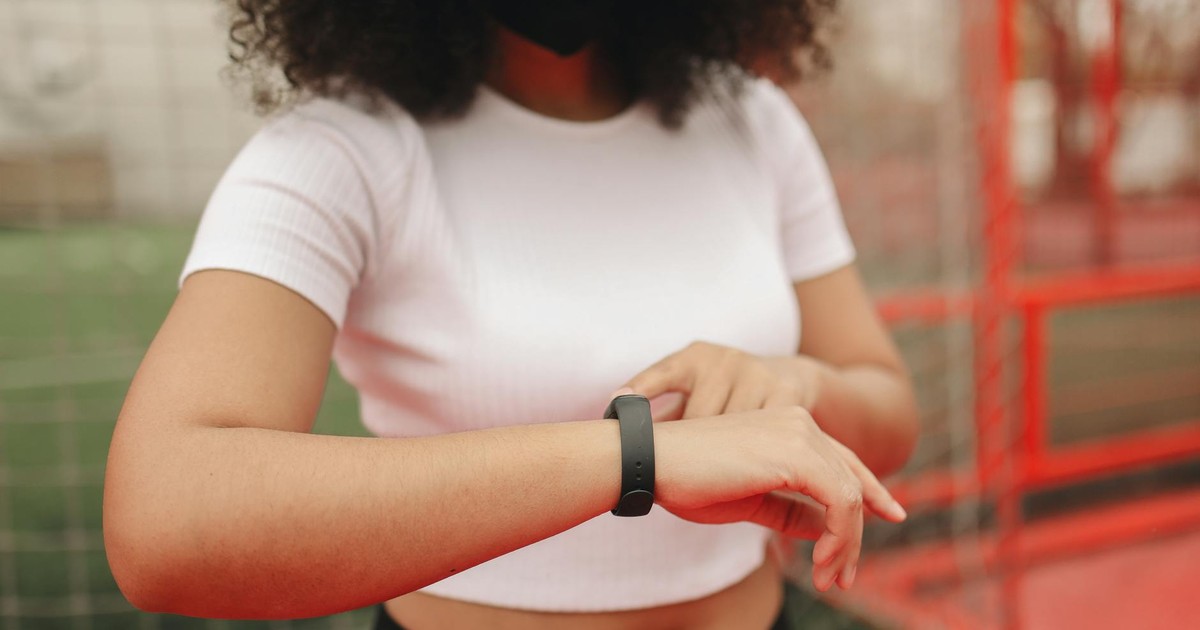
For generations, athletic training was built on a foundation of intuition, experience, and the simple, often painful, feedback of sore muscles. Coaches eyeballed form, athletes pushed through perceived limits, and progress was measured in broad strokes—faster times, higher jumps, more wins. Today, that paradigm has been shattered by a silent revolution strapped to our wrists, embedded in our shoes, and woven into our clothing. The explosion of fitness technology, powered by sophisticated wearable sensors and advanced performance monitoring platforms, is transforming how athletes train, recover, and compete. We are no longer just practicing sport; we are engineering peak performance with a precision once reserved for laboratories, turning every heartbeat, stride, and sleep cycle into a data point on the path to victory.

Beyond the Step Count: The Sensor Arsenal
The modern athlete’s toolkit extends far beyond the classic stopwatch. Today’s wearables are biomechanical labs in miniature, capturing a holistic picture of the body in motion.
Core Metrics: The Vital Signs of Performance
At the heart of the fitness tech revolution are the fundamental physiological metrics that provide immediate, actionable feedback.
- Heart Rate Variability (HRV): Once a metric for cardiologists, HRV—the variation in time between heartbeats—has become a cornerstone for monitoring autonomic nervous system readiness. A higher HRV typically indicates recovery and readiness for intense training, while a lower reading can signal fatigue, stress, or impending illness, allowing athletes to adjust their load proactively.
- Real-Time Heart Rate Zones: Moving beyond average BPM, devices now accurately track time spent in specific heart rate zones (e.g., aerobic, anaerobic threshold). This allows for precise adherence to training plans, ensuring an athlete is working at the exact intended intensity for optimal adaptation, whether it’s building endurance or maximizing power output.
- Pulse Oximetry (SpO2) & Respiratory Rate: Monitoring blood oxygen saturation and breathing rate, especially at altitude or during intense efforts, provides insights into cardiovascular efficiency and how well the body is coping with stress.
Movement Intelligence: Analyzing Form and Force
The next frontier is understanding how the body moves, not just how hard it’s working.
- GPS and Motion Sensors: For field sport athletes, GPS pods and smart watches track speed, distance, acceleration, deceleration, and change of direction. This data is invaluable for quantifying workload, managing injury risk by monitoring high-speed running volumes, and tailoring position-specific drills.
- Running Dynamics & Power Meters: Advanced running watches and cycling power meters measure vertical oscillation, ground contact time, left-right balance, and wattage output. This turns subjective feelings of “heaviness” or “efficiency” into objective numbers, enabling technical adjustments that improve economy and performance.
- Smart Clothing and Insoles: Textiles with embedded sensors and pressure-mapping insoles provide granular data on muscle activation, joint angles, and force distribution. This technology is pivotal in identifying asymmetries or flawed movement patterns that could lead to injury.
The Game Changer: From Data Collection to Actionable Insights
Collecting terabytes of data is meaningless without interpretation. The true transformation lies in the software platforms and performance monitoring systems that synthesize this information.

The Centralized Dashboard: A 360-Degree View
Platforms like WHOOP, Garmin Connect, and Strava, along with proprietary team systems like Catapult and STATSports, aggregate data from multiple sources. They combine sleep scores, HRV, training load, and subjective wellness surveys into a single athletic training dashboard. This holistic view allows coaches and sports scientists to see the interplay between stress, recovery, and performance, moving from reactive to predictive management.
Load Management and Injury Prevention
One of the most significant impacts is in the realm of injury mitigation. By tracking an athlete’s acute (recent) workload against their chronic (long-term) workload, these systems calculate a “freshness” or “strain” ratio. Sharp, unplanned spikes in this ratio are strongly correlated with soft-tissue injury risk. Armed with this data, staff can modulate training—holding an athlete out of a demanding drill or adding an extra recovery day—to keep them on the field and at their peak.
Personalization at Scale
The “one-size-fits-all” training plan is obsolete. Wearable data reveals individual responses to identical workouts. One athlete may recover quickly from a sprint session while another shows signs of prolonged strain. This enables hyper-personalized programming, ensuring each player’s regimen is optimized for their unique physiology, accelerating development and maximizing potential.
Case Studies: The Tech in Action
Elite Team Sports: The NBA and NFL’s Secret Weapon
In leagues with grueling schedules, managing player health is paramount. NBA teams extensively use wearable GPS and heart rate monitors during practices to monitor cumulative load. If a player’s data shows excessive fatigue, coaches can adjust their minutes or prescribe specific recovery protocols. In the NFL, where collisions are the norm, teams use the data to tailor strength and conditioning, focusing on correcting imbalances identified by movement sensors to build more resilient athletes.
Endurance Athletics: The Marginal Gains Revolution
Cyclists and marathon runners were early adopters of power meters and advanced running dynamics. They use this data to execute race plans with metronomic precision, staying within exact power zones or pace targets. Post-workout, they analyze efficiency metrics to shave seconds through tiny, data-informed technique adjustments—the epitome of the “marginal gains” philosophy.
The Everyday Athlete: Democratizing High-Performance Tools
The revolution isn’t confined to the pros. The consumer market has brought these tools to the masses. A weekend warrior can now use a HRV app to decide if they should go for a hard run or take a rest day. A recreational tennis player can use a smartwatch to track heart rate zones during a match. This access empowers all athletes to train smarter, reduce burnout, and stay healthier.
The Human Element: Data as a Guide, Not a Gospel
For all its power, the fitness tech revolution introduces critical challenges. Data overload can lead to “analysis paralysis,” where instinct and feel are undervalued. There’s also a risk of athletes becoming slaves to their metrics, ignoring important subjective signals from their own bodies. The most successful programs use data as a collaborative tool—an objective voice in the conversation between coach and athlete. It informs decisions but doesn’t dictate them. The art of coaching—motivation, psychology, and strategy—remains irreplaceable.
The Future: AI, Biometrics, and Beyond
The trajectory points toward even deeper integration. Artificial Intelligence and machine learning will move from describing trends to predicting them, offering prescriptive recommendations for training and recovery. Non-invasive, continuous blood glucose and lactate monitoring could provide real-time fueling insights. The integration of genetic data with wearable metrics may unlock truly personalized nutrition and training blueprints. The line between athlete and optimized biological system will continue to blur.
Conclusion: The Quantified Athlete Has Arrived
The transformation of athletic training regimens through wearable data and performance monitoring is not a fleeting trend; it is a fundamental shift in sports science. We have moved from an era of estimation to one of measurement, from recovery guesswork to precise load management, from generic plans to bespoke blueprints. This technology empowers athletes to understand their bodies with unprecedented clarity, pushing the boundaries of human performance while fostering longevity and health. The revolution on our wrists is ensuring that the athletes of today and tomorrow are not just working harder, but infinitely smarter. The game has changed, and the data is now in play.