
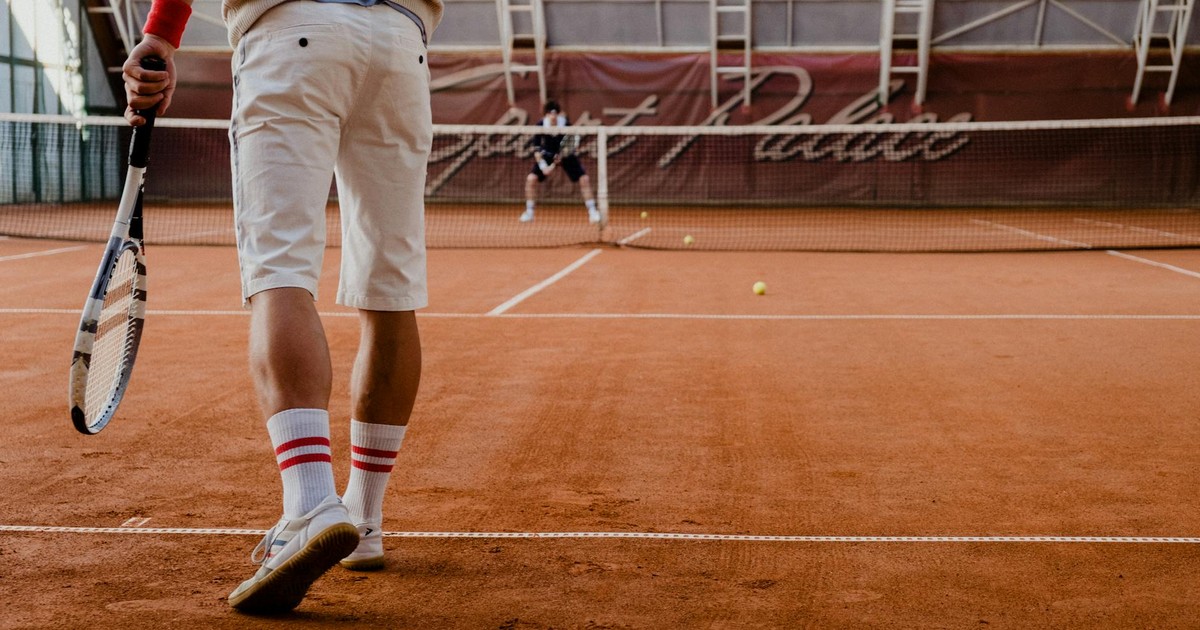
The Art of the Counter-Punch: Decoding the Tennis Return of Serve
In the modern power era of tennis, the serve has become a weapon of mass destruction. Players like Ivo Karlović, John Isner, and Nick Kyrgios have built careers on the back of unreturnable rockets, turning service games into brief, explosive ceremonies. Yet, for every ace blasted down the T, there is a defiant opponent on the other side of the net, tasked with the sport’s most difficult challenge: the return of serve. This isn’t merely a reactive shot; it’s a calculated defensive strategy that can dismantle the biggest servers. Success here isn’t about winning the point outright on the return—it’s about surviving the initial onslaught and shifting the tactical momentum. This analysis dives deep into the defensive philosophies, court positioning, and statistical success rates that separate the elite returners from the rest when facing the game’s most formidable power servers.
The Defensive Mindset: More Than Just Getting the Ball Back
Facing a 140+ mph serve requires a unique psychological and tactical framework. The primary objective shifts from aggression to neutralization. Elite returners like Novak Djokovic, Andy Murray, and Diego Schwartzman understand that the goal against a power server is to start the point. They aim to:
- Reduce Service Dominance: Make the server play a difficult first volley or groundstroke from an uncomfortable position.
- Target Weaknesses: Exploit the second serve, which, even for big servers, is a significantly slower and more attackable shot.
- Create Psychological Pressure: By consistently getting returns back, they plant doubt, making the server feel they must go for even more on their serve, increasing double-fault risk.
This defensive strategy is built on anticipation, reaction speed, and an almost preternatural ability to read serve patterns. It’s a chess match played in milliseconds.
Tactical Pillars of the Elite Returner
Several key technical and strategic elements form the foundation of an effective return game against power.
Court Positioning: The Depth Dance
Where a returner stands is a statement of intent. Against massive servers, players often adopt a deeper return position, sometimes several feet behind the baseline. This provides crucial extra milliseconds to react to pace and kick. However, this comes at a cost: it cedes court control and allows the server to attack the net. The modern trend, led by Djokovic, is to take the return on the rise from inside the baseline, effectively stealing time from the server. This high-risk, high-reward tactic requires impeccable timing but can completely negate a serve’s effectiveness.
The Block and Chip Return
The block return is the quintessential defensive shot against pace. The player uses a shortened, firm swing to essentially redirect the server’s power back deep into the court. The goal is depth, not angle. The chip return, often used on the backhand side, adds underspin, keeping the ball low and making a potential server’s volley or first strike more difficult. These shots are about control and resetting the point to a neutral rally.
Anticipation and Pattern Recognition
Elite returners study hours of footage, learning a server’s tendencies on crucial points: where do they go on break point down? What’s their favorite serve in the ad court? This data allows them to cheat slightly, pre-moving in the expected direction to cover more ground. This split-second advantage is often the difference between a framed return and a clean one.
By the Numbers: Statistical Success Rates and What They Reveal
Statistics cut through the spectacle to show us what truly works. Analyzing return metrics against top servers provides a clear picture of effective strategies.
- Return Games Won %: This is the ultimate metric. Against the tour’s biggest servers, a rate above 15-20% is exceptional. For context, Novak Djokovic has consistently won over 30% of his return games against nearly all opponents, including power servers, a testament to his transcendent defensive skills.
- First-Serve Return Points Won: Winning even 30-33% of points against a first serve is a major victory. It prevents the server from holding easily with just their first delivery.
- Second-Serve Return Points Won: This is where matches are decided. Elite returners often win 55-65% of second-serve return points against big servers, turning the server’s biggest weapon into a liability on the second ball. This pressure directly correlates with increased double faults.
- Break Point Conversion Rate: The most critical pressure statistic. The best returners elevate their level on these points, while power servers often rely on aces or unreturnables to save them.
Consider a statistical matchup: When a phenomenal returner like David Ferrer faced a giant server like John Isner, the numbers told a story of relentless defense. While Isner would dominate with aces, Ferrer’s ability to win over 40% of his second-serve return points kept constant pressure, leading to several famous wins for the Spaniard despite a massive disparity in serving power.
Case Studies in Defensive Mastery
Novak Djokovic vs. The Power Servers
Djokovic is the archetype of the modern defensive returner. His combination of flexibility, anticipation, and ability to take the ball early allows him to stand close and take time away from servers like Milos Raonic and Marin Čilić. His statistical success is staggering: he often neutralizes first-serve advantage and feasts on second serves, breaking with clinical efficiency.
The “Wall” Strategy: Diego Schwartzman
Standing at 5’7″, Schwartzman faces a physical disadvantage against tall servers. His strategy is one of pure defensive grit: exceptional foot speed, a low center of gravity that helps him handle body serves, and an unwavering commitment to getting every ball back deep. He wins by extending points, forcing big servers to hit multiple uncomfortable shots in a single rally, a scenario they dislike.
Conclusion: The Silent Equalizer
The return of serve against power is the great equalizer in tennis. While aces and service winners capture headlines, the grinding, mental warfare of the return game wins matches and championships. It is a discipline built on preparation, courage, and technical precision. As serving technology and athleticism continue to advance, the evolution of the return will be equally critical. The next generation of champions will not only need a powerful serve but must also master the art of the counter-punch—turning their opponent’s greatest strength into a prolonged, winnable battle from the very first shot of the rally. In the data-driven landscape of modern tennis, defensive return statistics are no longer just footnotes; they are the blueprint for dismantling the game’s most fearsome weapons.